Elderly Co-Living: Redefining Ageing Through Community-Led Living
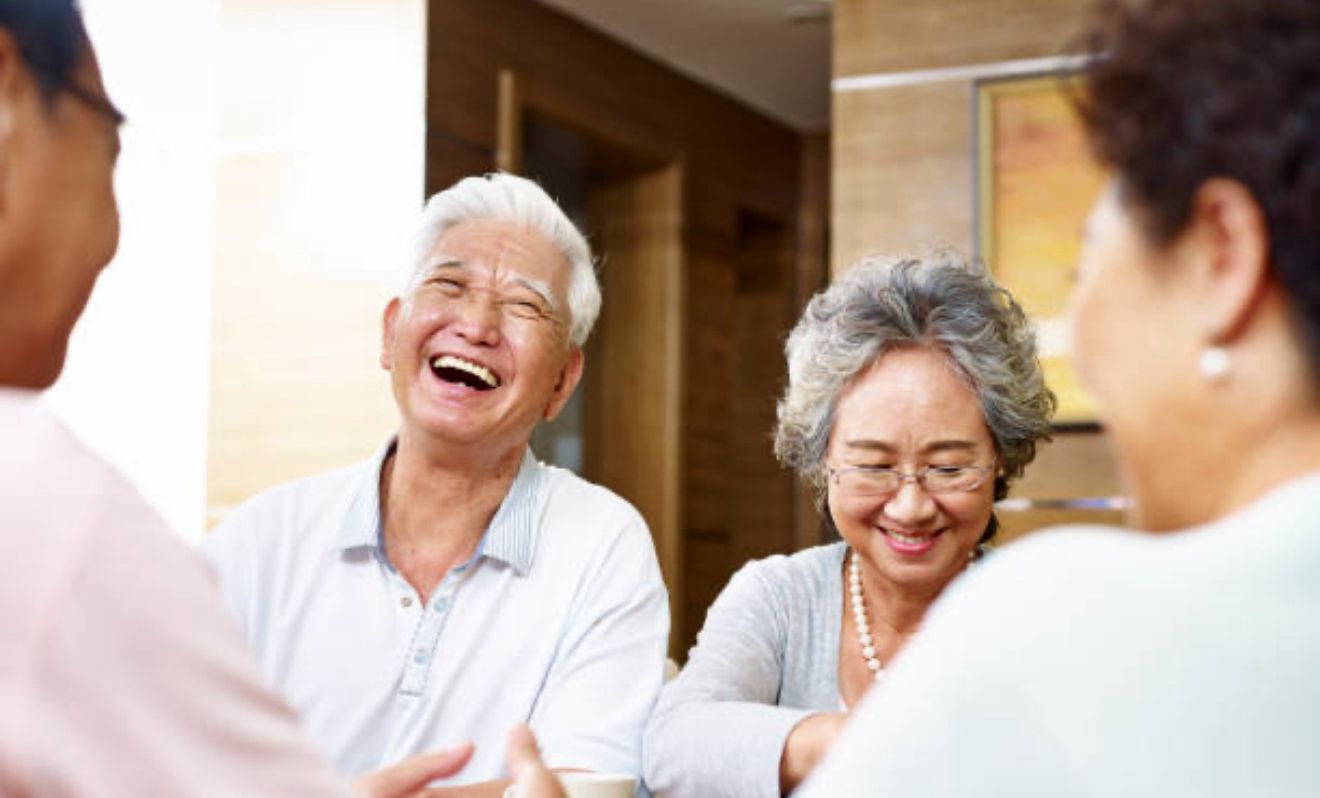
As Singapore moves toward a super-aged society, one question stands out: How can seniors age with dignity, purpose, and genuine human connection?
Elderly co-living is emerging as a transformative answer — blending independence, affordability, and community into one modern lifestyle option.
A Modern Approach to Senior Living
Unlike conventional care homes, co-living focuses on lifestyle and community, not just support services. Seniors live in private rooms or studios, while sharing thoughtfully designed communal areas, activity spaces, and gardens that encourage social interaction.
Instead of being cared for, seniors are empowered to live with others — forming friendships, routines, and shared experiences.
The Core Benefits of Elderly Co-Living
1. Meaningful Social Connections
Loneliness increases health risks dramatically in older adults. Co-living naturally reduces isolation by placing seniors in environments where interaction happens organically — over meals, hobbies, and daily check-ins.
2. Purpose-Filled Living
Many co-living communities organise group activities like:
- Baking sessions
- Light exercises
- Movie nights
- Music jams
- Gardening projects
These activities give seniors something to look forward to, every day.
3. Flexible Support Without Losing Freedom
Seniors maintain autonomy but have access to assistance such as:
- Medication reminders
- Meal preparation
- Housekeeping
- On-demand care staff
This balance preserves dignity while offering peace of mind.
4. A More Sustainable, Affordable Option
By sharing resources — utilities, common spaces, care services — seniors enjoy quality living at a fraction of the cost of private nursing arrangements.
Who Thrives in Co-Living Spaces? Elderly co-living is especially suitable for seniors who:
- Can manage daily activities with minimal support
- Enjoy social environments
- Prefer a less “institutional” alternative to nursing homes
- Want safety without sacrificing independence
The Future of Ageing in Singapore
As more seniors seek vibrancy over isolation, co-living is becoming a lifestyle choice rather than a last resort.
It brings back the kampung spirit — neighbours knowing neighbours, doors open, conversations flowing, and lives intertwined with warmth.
Elderly co-living isn’t just housing. It’s a new narrative of ageing — one built on companionship, joy, and shared experiences.