Elderly Co-Living: Where Our Seniors Find Home Again
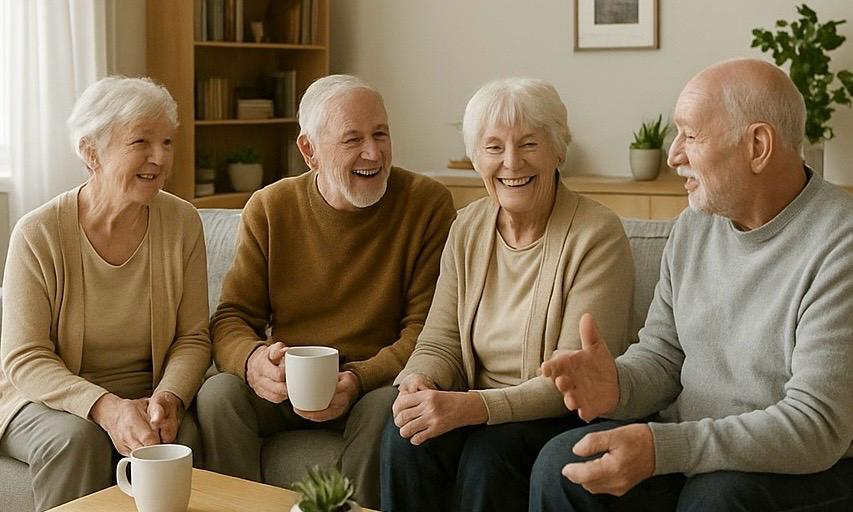
When Mr. Tan moved into his new co-living home, he arrived with just a small suitcase, a walking stick, and the quiet heaviness of loneliness he carried for years.
His wife had passed. His children had their own families. His days were silent, predictable, and painfully empty.
He often said,
“The house is full… but my heart is quiet.”
But everything changed the day he stepped into a co-living community.
A New Beginning, Wrapped in Warmth
On his first morning, he heard laughter from the dining room. It wasn’t loud or disruptive — it was warm, cosy, familiar. The kind he hadn’t heard since his own family dinners decades ago.
A lady about his age waved him over.
“Come, uncle, sit with us. Breakfast tastes better together.”
He hesitated.
Then he smiled.
For the first time in years, he didn’t eat alone.
The Days Slowly Became Softer
In co-living, he didn’t just gain a room — he gained a rhythm.
🌿 Morning walks with new friends who shared stories of kampung days.
🎨 Afternoon activities where he rediscovered painting, a hobby he abandoned when life got busy.
☕ Tea time conversations where small talk turned into deep friendship.
📺 Movie nights where everyone laughed at old comedies they all remembered.
The home wasn’t perfect — but it was alive.
And that life slowly filled the empty parts of him he thought were gone forever.
Connection Became His Medicine
Doctors always said he needed more movement, but what he really needed was purpose.
He began helping water the plants.
He volunteered to teach calligraphy sessions.
He looked forward to every breakfast, every chat, every shared moment.
Loneliness faded — not overnight, but gently, consistently, like morning light slipping through curtains.
One evening, he told the staff:
“I feel like I’m living again… not just existing.”
A Place Where Seniors Find Themselves Again
Elderly co-living is not simply a housing arrangement.
It is a second chance —
at friendship,
at joy,
at meaningful days,
at being seen.
It brings back the kampung spirit many seniors miss dearly:
doors open, familiar faces nearby, and a community that looks out for one another.
It doesn’t erase the past,
but it offers something precious:
a softer, warmer tomorrow.
For Every Senior Who Just Wants to Belong Again
If you have a parent or loved one who has grown quiet…
who eats most meals alone…
who rarely leaves home…
who says “I’m okay” even when they’re hurting…
Co-living might be the place where they finally smile again.
A place where the heart can heal — one conversation, one shared meal, one warm moment at a time.